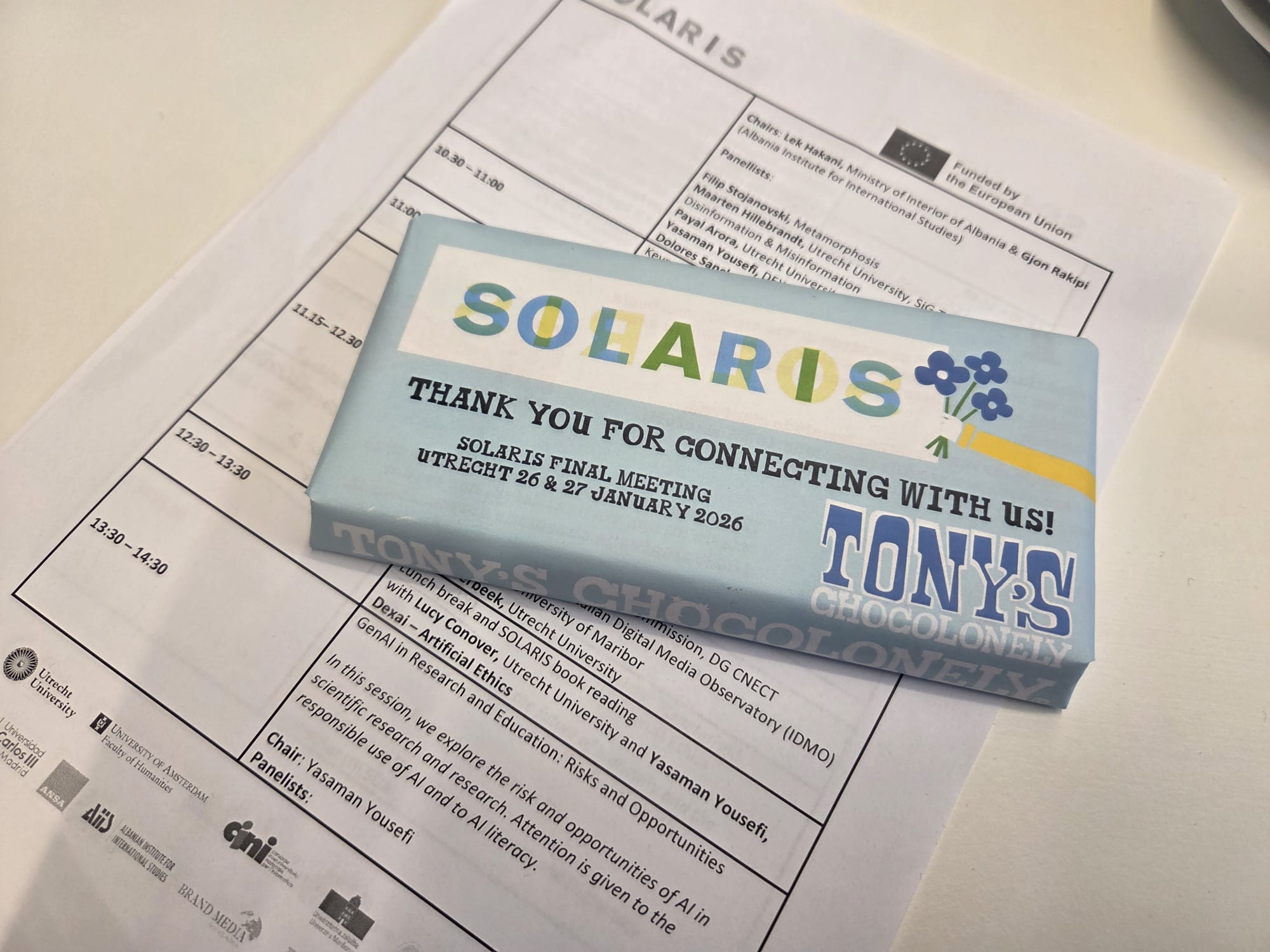


SOLARIS final meeting in Utrecht spotlighted deepfakes, democracy, and the future of AI governance
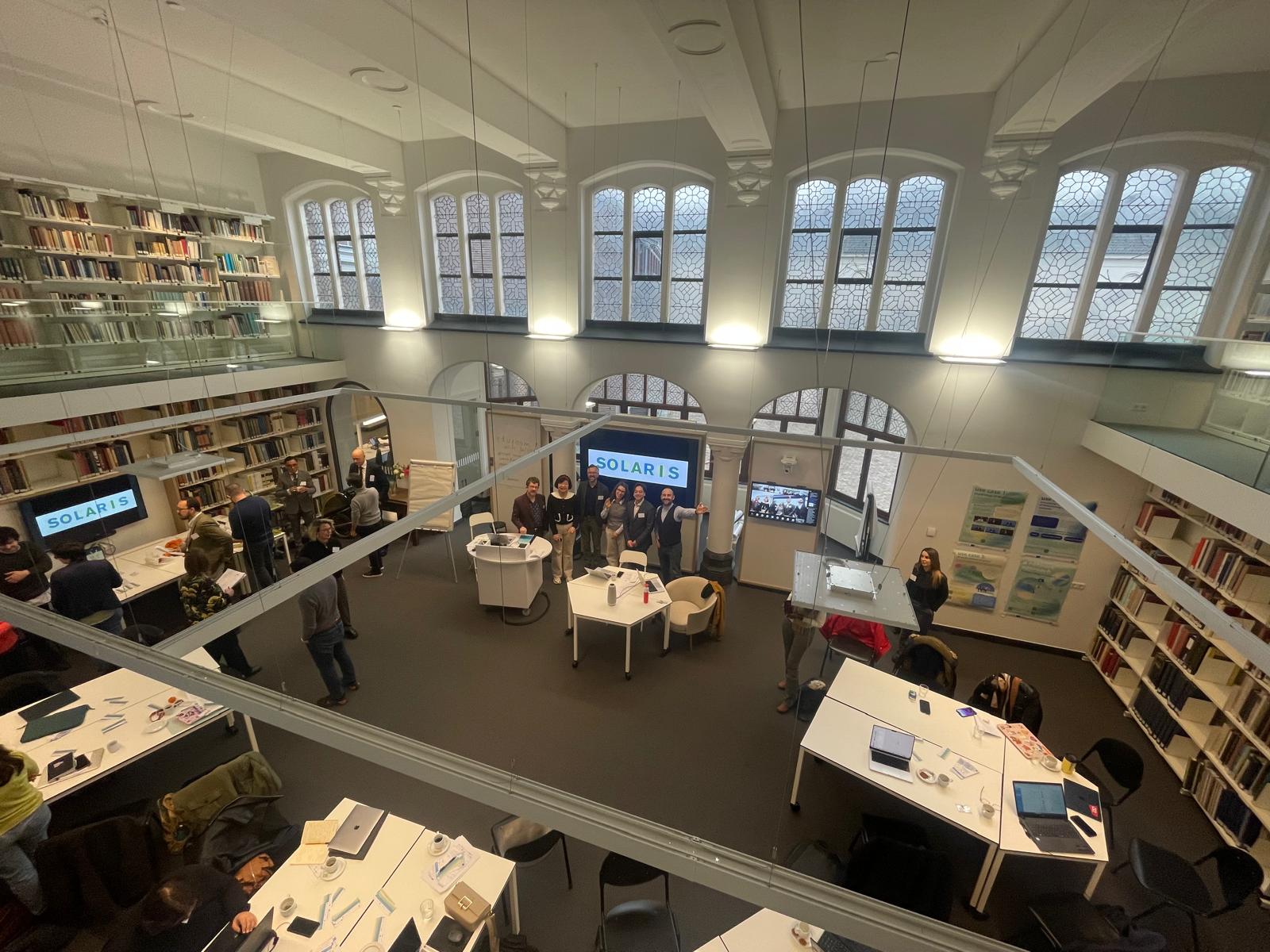
On 26–27 January 2026, the SOLARIS Project consortium held its final meeting at Utrecht University, bringing together researchers, policymakers, journalists, and practitioners from across Europe to reflect on the societal, political, and ethical challenges posed by deepfakes and generative artificial intelligence. The two-day event marked the culmination of three years of collaborative research under the Horizon Europe–funded SOLARIS project and was also attended online by a wider public following prior registration.
The event created a space for in-depth discussion on the challenges that deepfakes pose for the digital society, but also on the use of AI in education and healthcare. During the meeting it was noted that there is a big need for further exploration on all the effects of AI across the board, especially on children. Experts commented that false information or any kind of disinformation is polluting the mind of society, thus influencing key sectors, including political communication, education, health, journalism, and legal evidence.
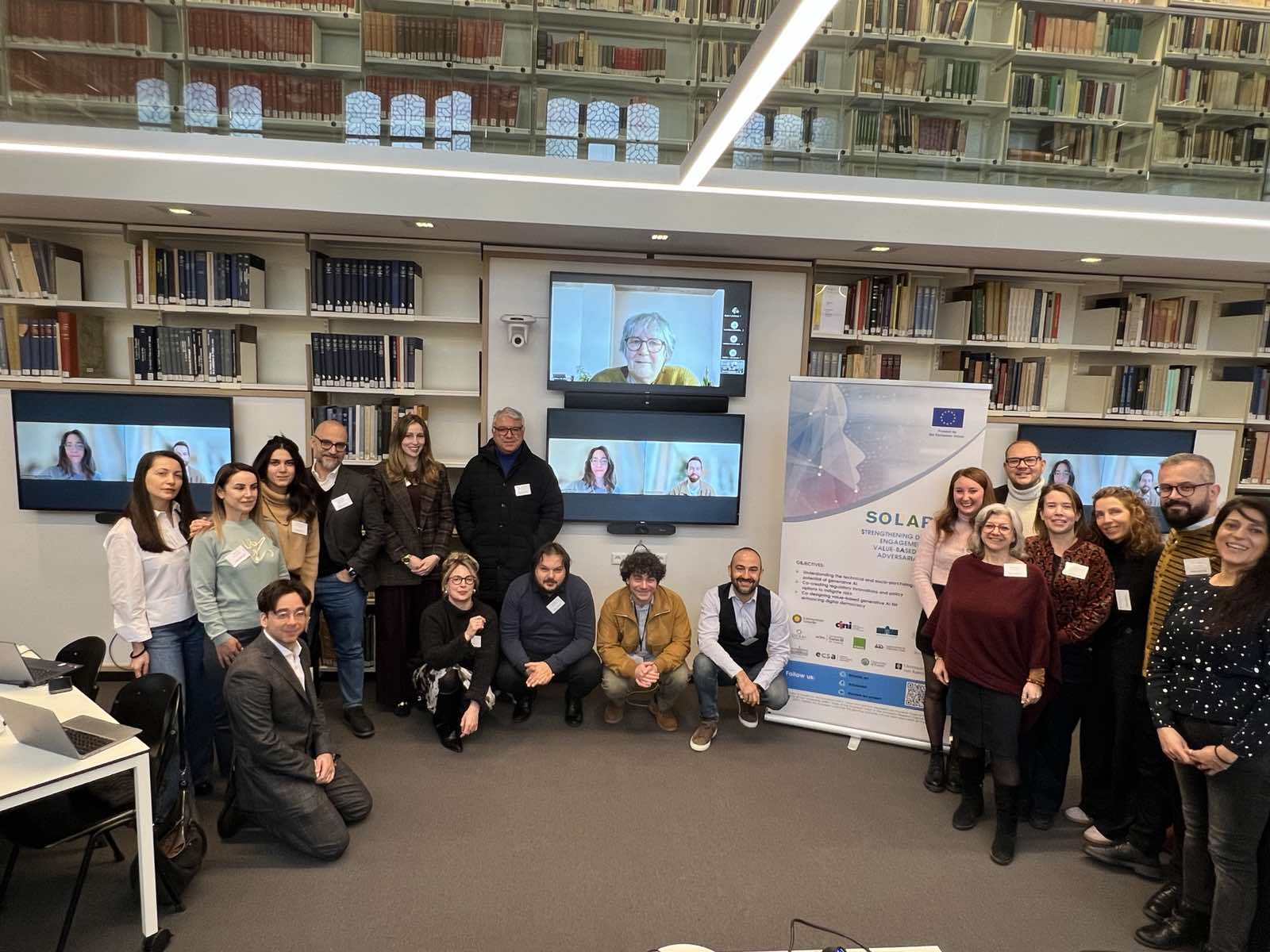
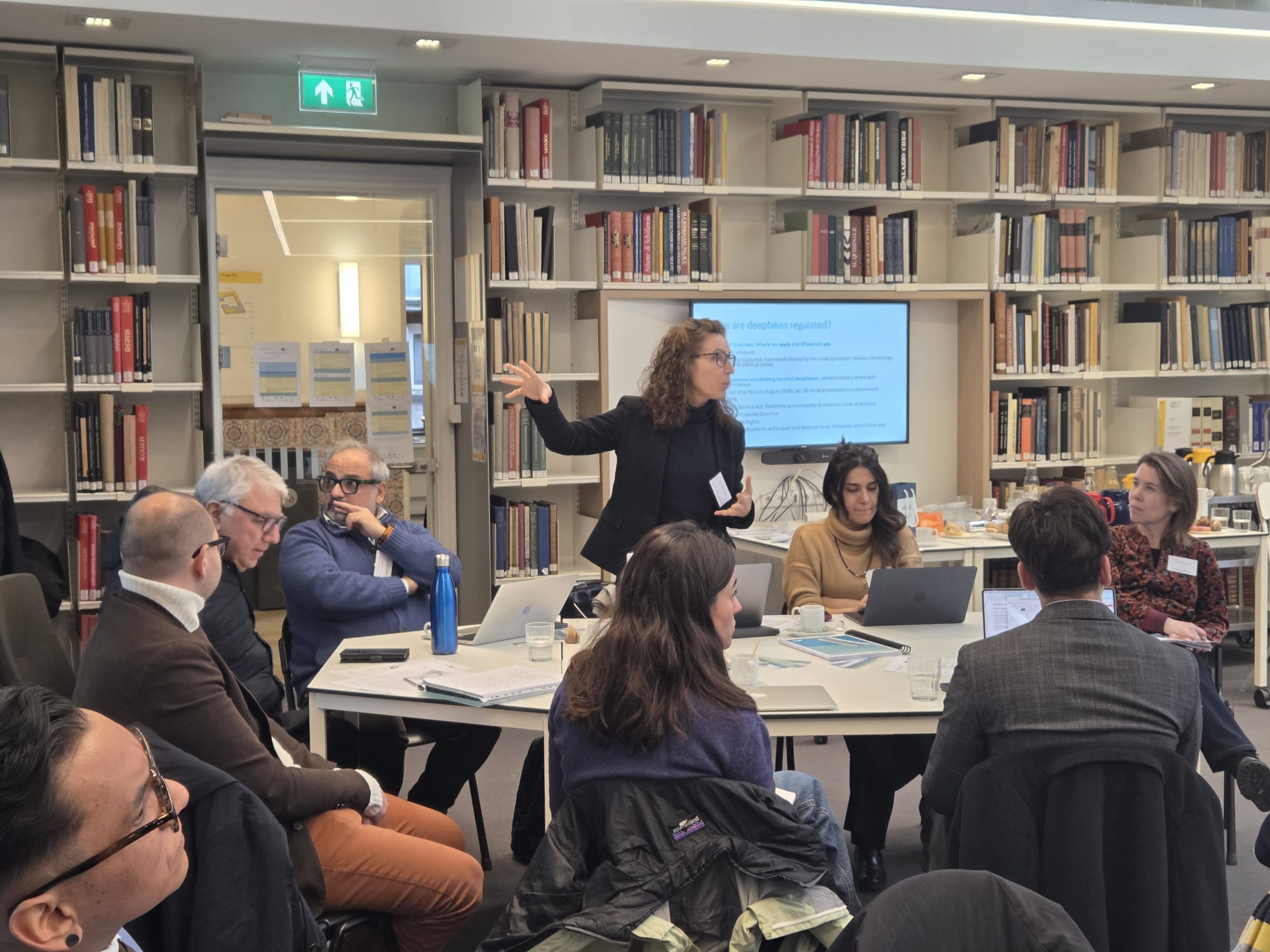
Through keynote lectures, panel discussions, and thematic sessions, participants examined both the risks associated with deepfakes and the opportunities generative AI may offer for social good, inclusion, and civic engagement.
Other sessions explored the role of AI in research and education, highlighting both innovation potential and ethical concerns. A dedicated panel examined the transforming status of images in journalism, law, and public discourse, addressing how synthetic media challenge long-standing assumptions about visual evidence and authenticity.
The first day opened with welcome speeches and SOLARIS carousel presentations showcasing key project insights. Discussions then moved to broader conceptual perspectives on the future of digital society, framed through themes such as planetarised humanity, quantum ecology, and humanist ethics. Later sessions addressed the use of AI and deepfake technologies for inclusion and social good, particularly in education and health.
The second day focused strongly on governance, regulation, and the societal implications of generative AI in democratic contexts. The programme opened with discussions on the governance of deepfakes, followed by a keynote lecture from Professor Stephan Lewandowsky, who addressed misinformation and public understanding in increasingly complex digital information environments.
Throughout both days, readings from the SOLARIS project book accompanied the programme, underlining the project’s broader effort to connect research on ethics, media, and digital resilience. The Utrecht meeting concluded SOLARIS’s work with a strong emphasis on responsible and transparent AI governance, interdisciplinary collaboration, and the need to strengthen democratic trust in an era of rapidly evolving synthetic media technologies.
Readers can also look forward to the upcoming publication of the SOLARIS project book, which will present the initiative’s main findings and reflections. The volume brings together key insights on deepfakes, generative AI, ethics, and democratic resilience developed over the course of the project. It is expected to serve as a resource for researchers, policymakers, media professionals, and anyone interested in trustworthy AI.
About SOLARIS
The SOLARIS research project, funded by the European Union’s Horizon Europe programme, which aims to address the challenges posed by generative AI technologies by fostering international cooperation and developing frameworks for AI governance, democratic resilience, and security.