
 Eline de Jong has a background in philosophy, communication science, journalism, and applied ethics. Her main research interest is in the societal impact of new and emerging technologies, like quantum technologies and Artificial Intelligence (AI). Eline is currently pursuing her PhD at the University of Amsterdam, within the project ‘Quantum Impact on Societal Security’. In her research, Eline focuses on the philosophical and ethical questions about the societal impact of large-scale quantum computers. In particular, she focuses on the cybersecurity threat posed by future quantum computers. In this project, Eline combines philosophy of science, philosophy of technology, philosophy of risk, and ethics of technology.
As from December 2023, Eline has been a research fellow at the Stanford Center for Responsible Quantum Technology. She works closely together with Quantum Delta NL’s Center for Quantum & Society. Previously, Eline worked at the Netherlands Scientific Council for Government Policy, as a member of the project group on the societal impact of AI. She co-authored the advisory report “Mission AI: The New System Technology” which includes policy recommendations for embedding AI within society. Besides her academic work, Eline was also involved in the development of the Exploratory Quantum Technology Assessment (EQTA), and is a blog writer for Daiki, a SaaS platform for responsible AI.
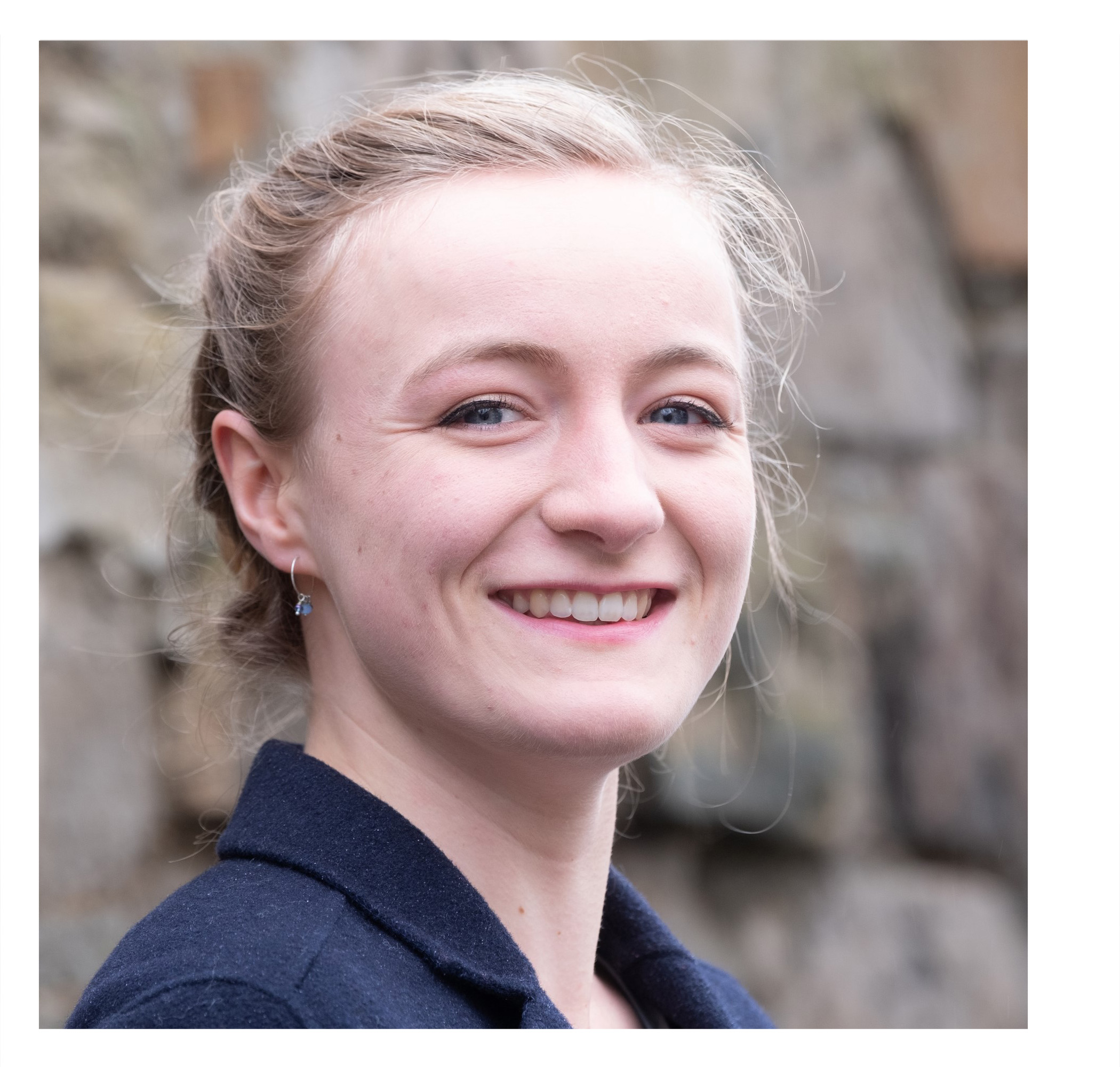 Ailsa Robertson is a PhD candidate within the Informatics Institute (IvI) at UvA, working on the QISS project. She has a background in mathematics, with BSc from the University of St Andrews and MSc from Queen Mary University of London. She also has a background in software engineering within the financial services. Her research concerns societal and technical aspects of migrating to quantum-safe systems. In particular, her research investigates the societal and organisational requirements for migration to quantum-safe systems, and considers their implications for policy pathways. She also investigates technical topics, including provably secure cryptographic protocols for QKD networks and Craig's lattices for lattice-based cryptography.
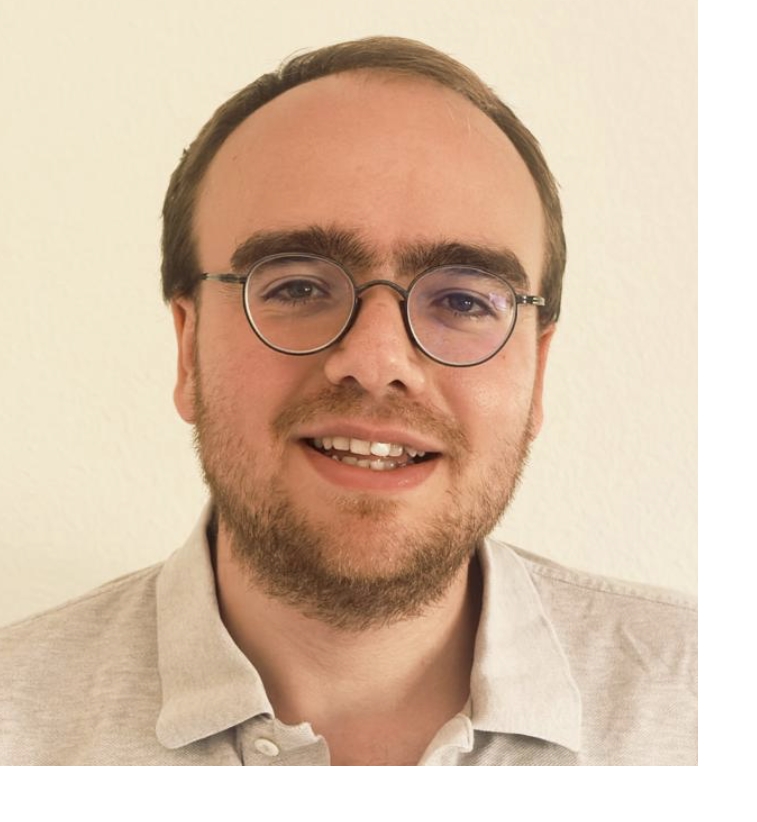 Matteo Fabbri is a postdoctoral researcher at the Institute for Logic, Language and Computation (ILLC) working for the QISS project and a fellow at the Institute for Information Law (IViR), both at the University of Amsterdam. His research concerns platform regulation, ethics of digital technologies and cybersecurity policy. His interdisciplinary background includes a BA in Philosophy at the University of Bologna, an MSc in Social Science of the Internet at the Oxford Internet Institute, University of Oxford, an MA in Sociology and Global Challenges at the University of Florence and an Advanced Master in Social and Political Sciences at Scuola Normale Superiore. His PhD thesis in Cybersecurity at IMT School for Advanced Studies Lucca focused on the impact of the Digital Services Act on the transparency and user control of recommender systems. Outside academia, he worked for the BMW group and the Joint Research Centre of the European Commission on topics at the intersection of digital technologies and regulation.
Laima Jančiūtė joined QISS as a postdoctoral researcher in the Regulation of Quantum-Safe Technology. Before joining QISS, Laima was a postdoctoral researcher at the Institute for Information Law, Faculty of Law, University of Amsterdam, where her work focused on the governance of post-quantum cryptography transition in the EU. Laima holds a PhD (with distinction) from the University of Westminster with a thesis on the policy process of adoption of the GDPR examining the actors and factors that shaped the formulation of this major piece of legislation. She has a background in political science and public administration. Her research interests revolve around privacy and data protection, fundamental rights, technology policy, history and philosophy of technology, EU politics and governance, international relations, etc. Among others, she has previously worked as a research fellow at the Communication and Media Research Institute, University of Westminster, and as an associate professor of public policy at Vilnius University.
Ailsa Robertson is a PhD candidate within the Informatics Institute (IvI) at UvA, working on the QISS project. She has a background in mathematics, with BSc from the University of St Andrews and MSc from Queen Mary University of London. She also has a background in software engineering within the financial services. Her research concerns societal and technical aspects of migrating to quantum-safe systems. In particular, her research investigates the societal and organisational requirements for migration to quantum-safe systems, and considers their implications for policy pathways. She also investigates technical topics, including provably secure cryptographic protocols for QKD networks and Craig's lattices for lattice-based cryptography.Matteo Fabbri is a postdoctoral researcher at the Institute for Logic, Language and Computation (ILLC) working for the QISS project and a fellow at the Institute for Information Law (IViR), both at the University of Amsterdam. His research concerns platform regulation, ethics of digital technologies and cybersecurity policy. His interdisciplinary background includes a BA in Philosophy at the University of Bologna, an MSc in Social Science of the Internet at the Oxford Internet Institute, University of Oxford, an MA in Sociology and Global Challenges at the University of Florence and an Advanced Master in Social and Political Sciences at Scuola Normale Superiore. His PhD thesis in Cybersecurity at IMT School for Advanced Studies Lucca focused on the impact of the Digital Services Act on the transparency and user control of recommender systems. Outside academia, he worked for the BMW group and the Joint Research Centre of the European Commission on topics at the intersection of digital technologies and regulation.Laima Jančiūtė joined QISS as a postdoctoral researcher in the Regulation of Quantum-Safe Technology. Before joining QISS, Laima was a postdoctoral researcher at the Institute for Information Law, Faculty of Law, University of Amsterdam, where her work focused on the governance of post-quantum cryptography transition in the EU. Laima holds a PhD (with distinction) from the University of Westminster with a thesis on the policy process of adoption of the GDPR examining the actors and factors that shaped the formulation of this major piece of legislation. She has a background in political science and public administration. Her research interests revolve around privacy and data protection, fundamental rights, technology policy, history and philosophy of technology, EU politics and governance, international relations, etc. Among others, she has previously worked as a research fellow at the Communication and Media Research Institute, University of Westminster, and as an associate professor of public policy at Vilnius University.